UN Desertification Conference Highlights Grasslands and Pastoral Communities
By Borjigin Manda
Southern Mongolian News
UNCCD COP17 was held in Ulaanbaatar, Mongolia, from August 17 to 28, 2026. Photo: UNCCD.
The 17th session of the United Nations Convention to Combat Desertification (UNCCD COP17) concluded in Ulaanbaatar on August 28, bringing international attention to land degradation, drought, rangelands, and the communities that depend on them.
Hosted by Mongolia under the theme “Restoring Land. Restoring Hope,” the conference brought together representatives of the 197 parties to the UNCCD, as well as scientists, civil society organizations, Indigenous Peoples, pastoralists, and other stakeholders. Discussions focused on land restoration, drought resilience, water, rangelands, and food systems.
The conference was also held during the International Year of Rangelands and Pastoralists, designated by the United Nations General Assembly for 2026. Mongolia has played a prominent role in bringing greater international attention to the protection and sustainable management of rangelands and the livelihoods of pastoral communities.
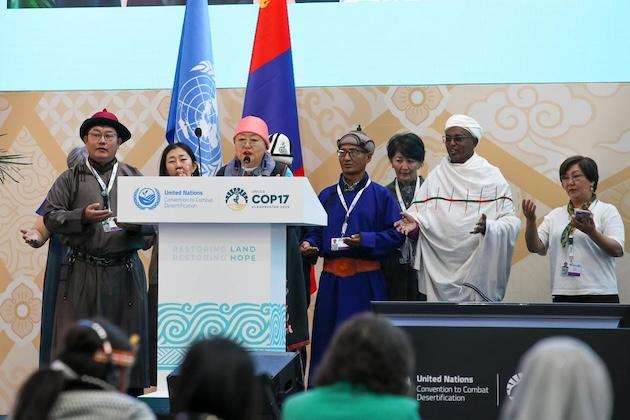
Rangelands and pastoralist communities were among the key issues highlighted at COP17. Photo: UNCCD.
Rangelands Gain Greater International Attention
A major initiative highlighted at COP17 was the Rangelands Flagship Initiative, a global, multi-partner initiative supported by the UNCCD to increase investment in the conservation, sustainable management, and restoration of rangelands.
The initiative connects rangeland management with drought resilience, pastoral livelihoods, food security, biodiversity, climate adaptation, and cultural heritage. It also seeks to strengthen policies, institutions, and investment for sustainable rangeland management.
Rangelands cover more than half of the Earth's terrestrial surface and support the livelihoods of hundreds of millions of pastoralists. They also provide food, water, biodiversity, and other ecosystem services to billions of people. At the same time, many rangelands face increasing pressures from land-use change, degradation, and climate-related stresses.
The importance of pastoral communities was also reflected in a ministerial dialogue held during COP17 on “Restoration of Rangelands and Well-being of Pastoralist Communities.” The discussion addressed sustainable rangeland management, pastoralist livelihoods, food security, biodiversity, and climate resilience.
New financial commitments were also announced during the conference. The Associated Press reported that a rangelands initiative announced at COP17 involves approximately $1.2 billion across 45 projects. The Asian Development Bank separately announced plans to provide $2 billion for land restoration efforts in the Asia-Pacific region.
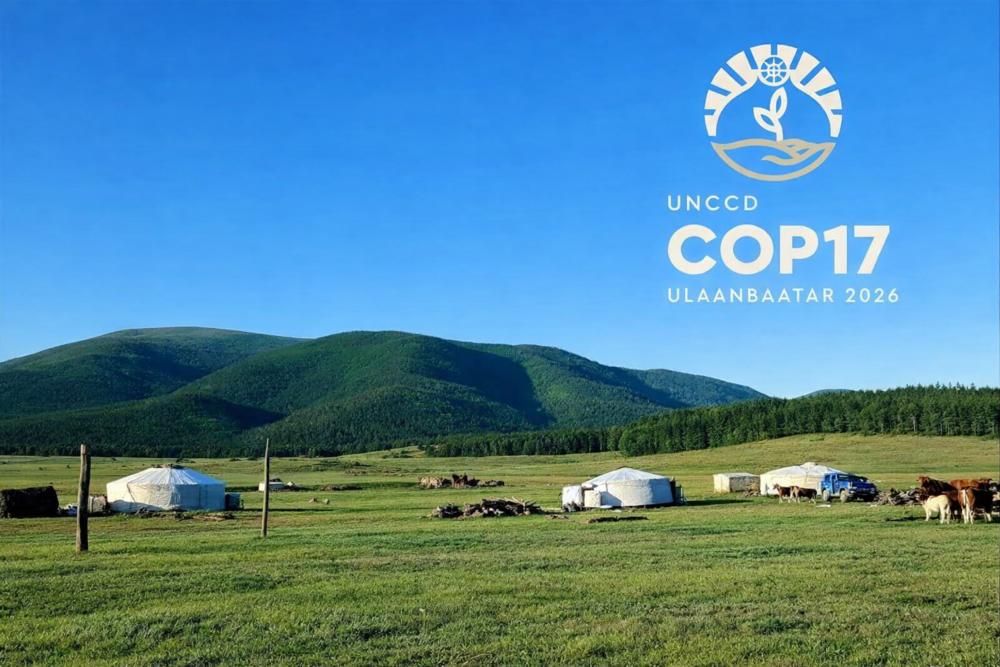
Mongolia’s vast rangelands support pastoral livelihoods and are increasingly affected by land degradation and drought. Photo: UNCCD.
Why This Matters for Southern Mongolia
Although COP17 was held in Mongolia, the issues discussed at the conference extend beyond Mongolia's borders.
Southern Mongolia forms part of the broader grassland and dryland region of Inner Asia. Pastoral communities in the region have historically depended on grasslands for livestock husbandry, while pastoral practices and knowledge have become closely connected with local communities and cultural traditions.
The questions addressed at COP17 therefore have relevance to Southern Mongolia as well: how to protect grasslands, respond to drought and desertification, and sustain pastoral livelihoods while managing increasingly stressed ecosystems.
The UNCCD's approach to rangelands places ecological restoration and pastoralist livelihoods within the same framework. Its rangelands program identifies sustainable livestock production, pastoral livelihoods, biodiversity conservation, climate adaptation, and cultural heritage as interconnected areas for investment and action.
This approach is particularly relevant to regions where environmental pressures can affect both ecosystems and the communities that depend upon them.
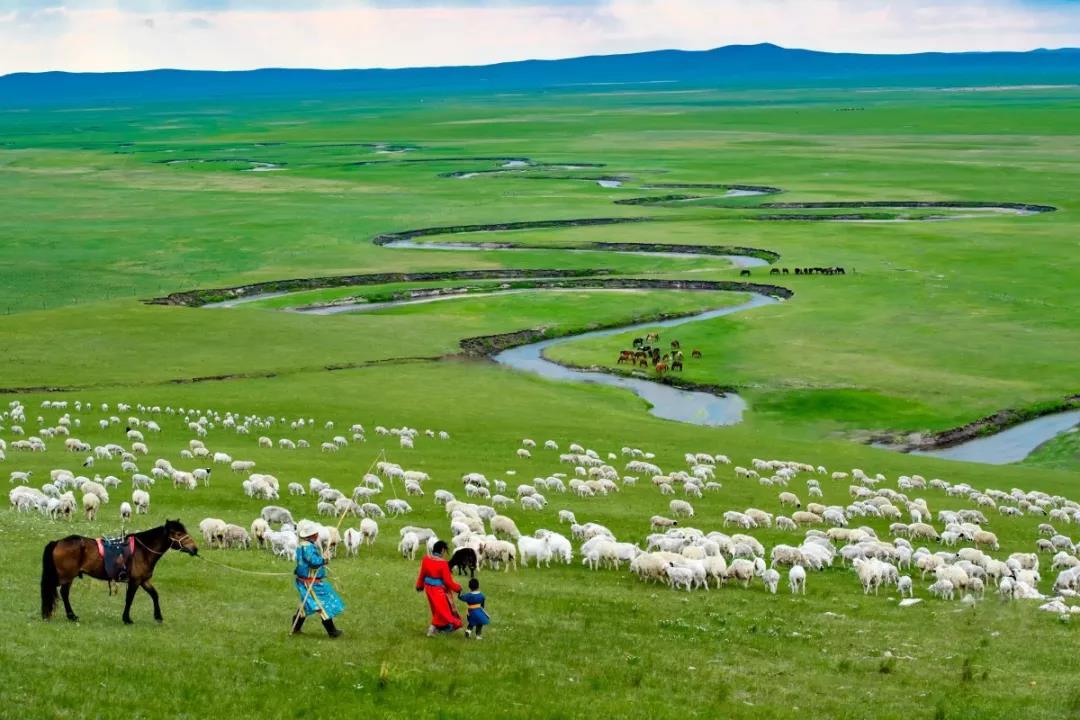 Mongolian pastoralists and livestock on the grasslands of Southern Mongolia.
The Challenge Facing Pastoral Regions
Land degradation and drought can have consequences that extend beyond the condition of vegetation.
For pastoral communities, changes in grassland conditions can affect livestock production, household livelihoods, water availability, and the ability of communities to maintain established pastoral practices.
This is why the participation of pastoralists in land-management discussions has become an increasingly important part of international rangeland policy.
UNCCD discussions at COP17 emphasized the relationship between healthy rangelands and the well-being of pastoral communities. For regions with long-standing pastoral traditions, the effectiveness of restoration efforts can therefore depend not only on ecological outcomes, but also on how land management affects the people who live and work on the land.
For Southern Mongolians, these issues are closely connected to the future of grassland ecosystems and pastoral communities.
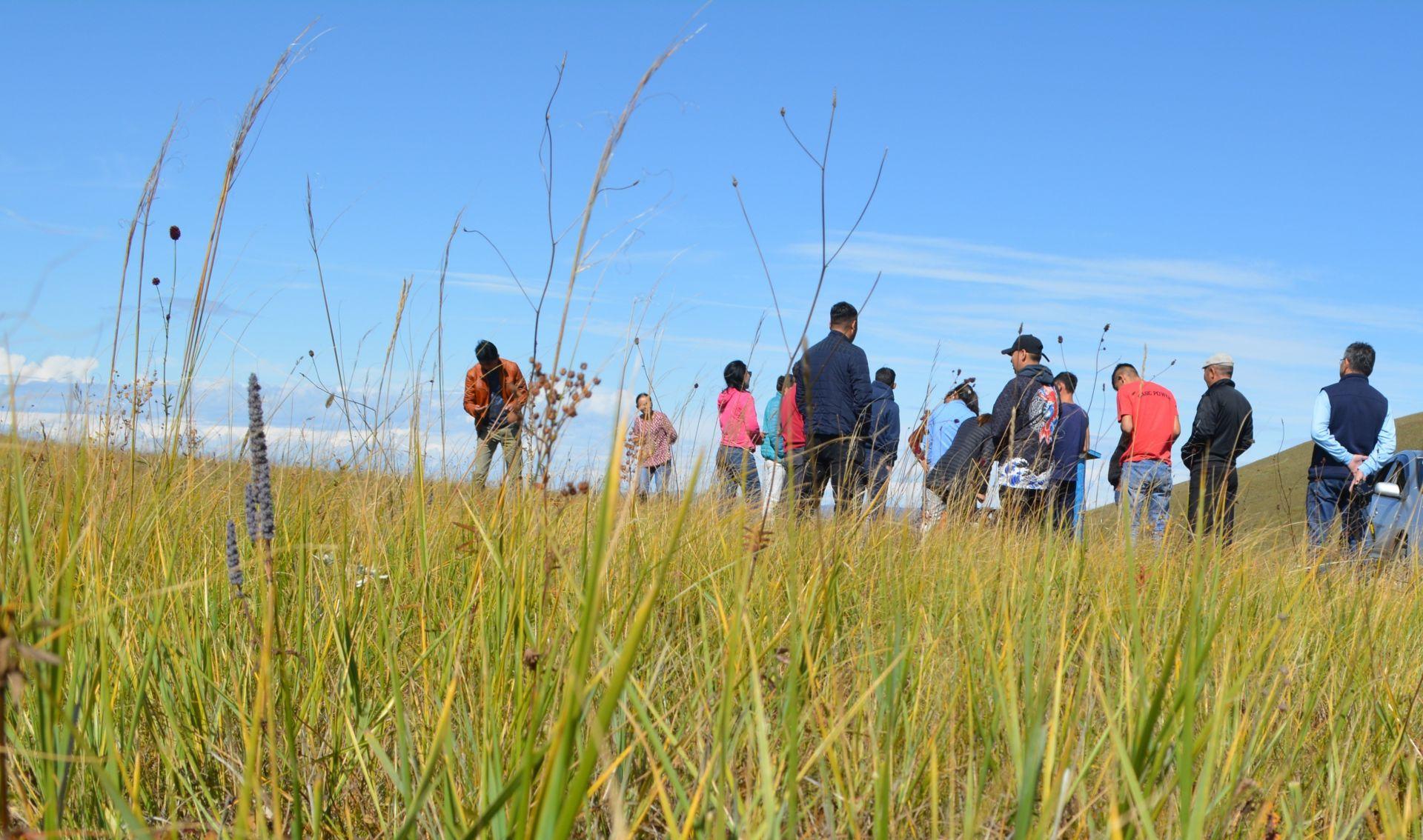
Rangeland restoration and the well-being of pastoral communities were central themes of discussions at COP17. Photo: UNCCD.
Looking Beyond Land Restoration
COP17 has brought rangelands, land degradation, drought resilience, and pastoral communities further into the international discussion on sustainable land management.
For Southern Mongolia, the discussion provides an international context for issues that affect grasslands and pastoral livelihoods across the region.
As governments and international institutions expand efforts to restore degraded land and strengthen resilience to drought, the experiences and participation of pastoral communities will remain an important consideration in shaping the future management of grassland ecosystems.